Home / OEM & ODM

CUSTOM DEVELOPMENT · PRIVATE LABEL · WHOLESALE

OEM & ODM Waterproof Bag Manufacturing

Turn a product idea, drawing or reference sample into a bag specification your team can approve.

Outdoorsbloom works with outdoor brands, importers, distributors and promotional buyers in Dongguan, China. Develop custom waterproof bags around the contents, access, carrying method and branding your market needs.

Existing model + logo: from 50 pieces · New OEM: from 100 pieces

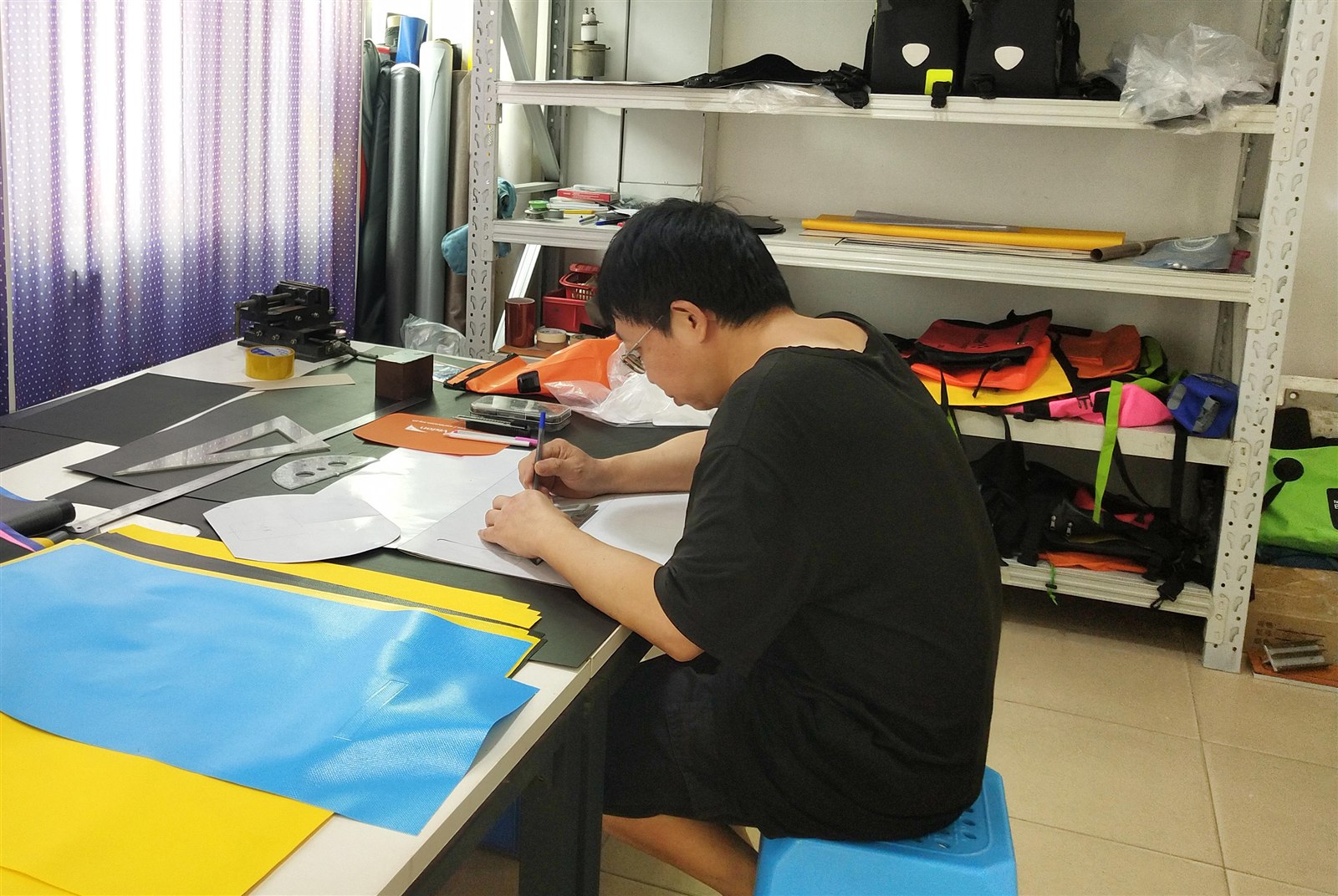
Bag pattern preparation with material pieces and sample bags in the Outdoorsbloom sample room
Pattern preparation in our sample room. Your project brief guides the dimensions, components and sample review.

01 / START WITH THE RIGHT SCOPE

Private label, OEM or ODM development?

These routes describe different starting points. Choose the scope by what is changing in the bag, rather than by the label alone. We confirm the proposed materials, development work and commercial terms for the selected project.

01

Existing model + your logo

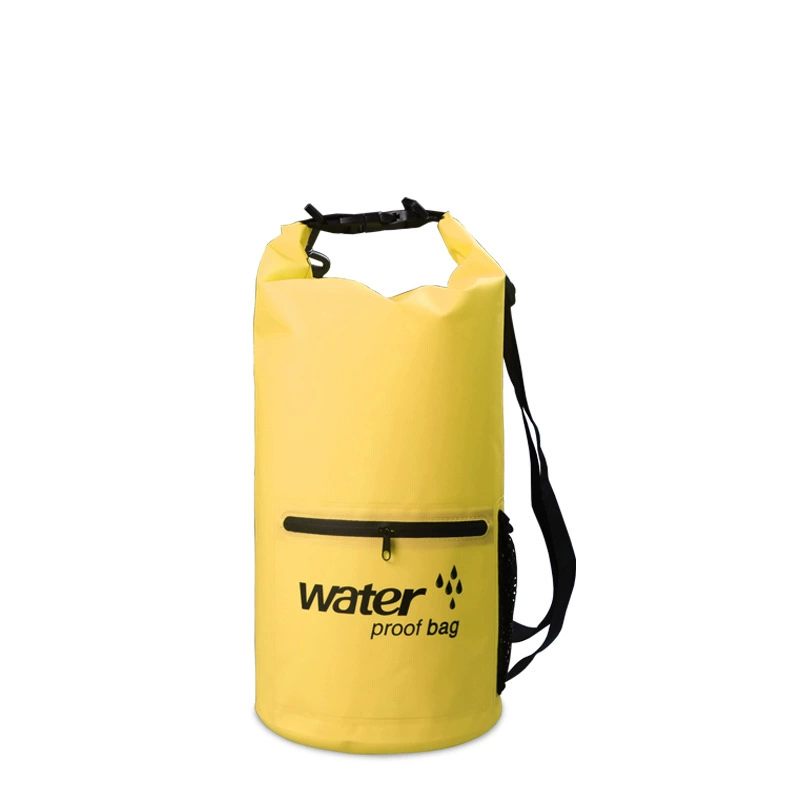
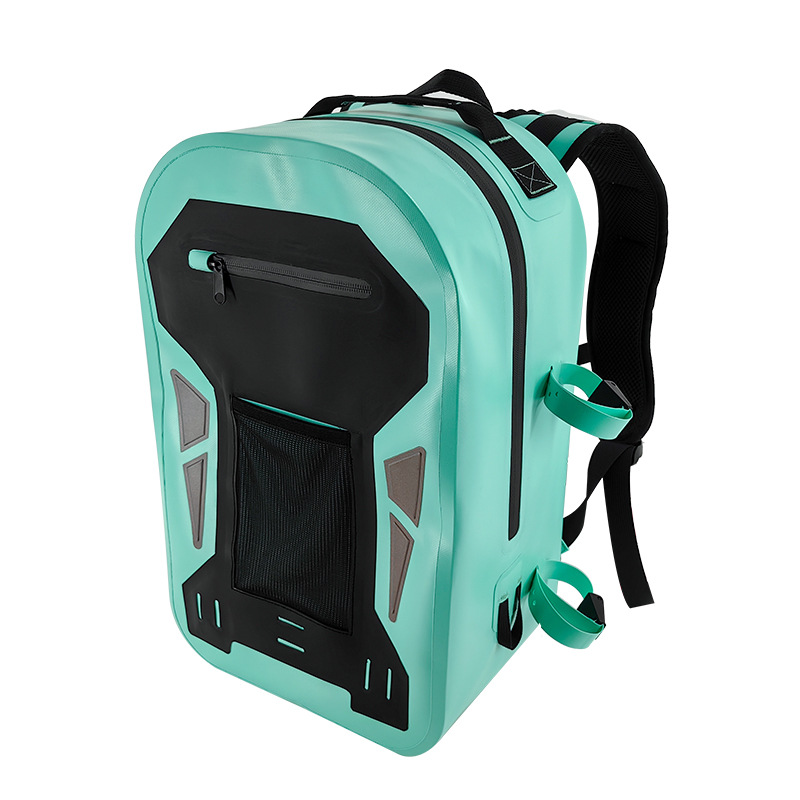
Keep an existing construction and discuss the branding, colour selection and retail presentation. Useful when you have selected a photographed model and want a private label waterproof bag range.

Send: product link, quantities by colour, artwork dimensions and packaging brief.

Starting MOQ: 50 pieces. Confirm the colour and artwork split in the quotation.

02

OEM from your specification

Start with your drawing, tech pack or physical sample. Identify the dimensions, materials and components that must be followed, together with details open to alternatives.

Send: revision-controlled drawings, material references, intended use and required sample checks.

New OEM starting MOQ: 100 pieces.

03

ODM development from a reference

Start with a product direction or existing format and work through changes in shape, access, pockets and carrying arrangement. A reference photo helps communicate the idea; it does not define hidden construction.

Send: reference images, packed contents, target dimensions and the changes that matter most.

Sampling scope and MOQ depend on whether the final project uses an existing construction or new OEM development.

A logo change and a structural change are different scopes. A new window, opening, insulation system or strap layout needs a construction review. Discuss design ownership, confidentiality, exclusivity and any tooling arrangements separately before sharing restricted files or commissioning custom work.

02 / SELECT A PRODUCT DIRECTION

Custom bag programmes built around the use

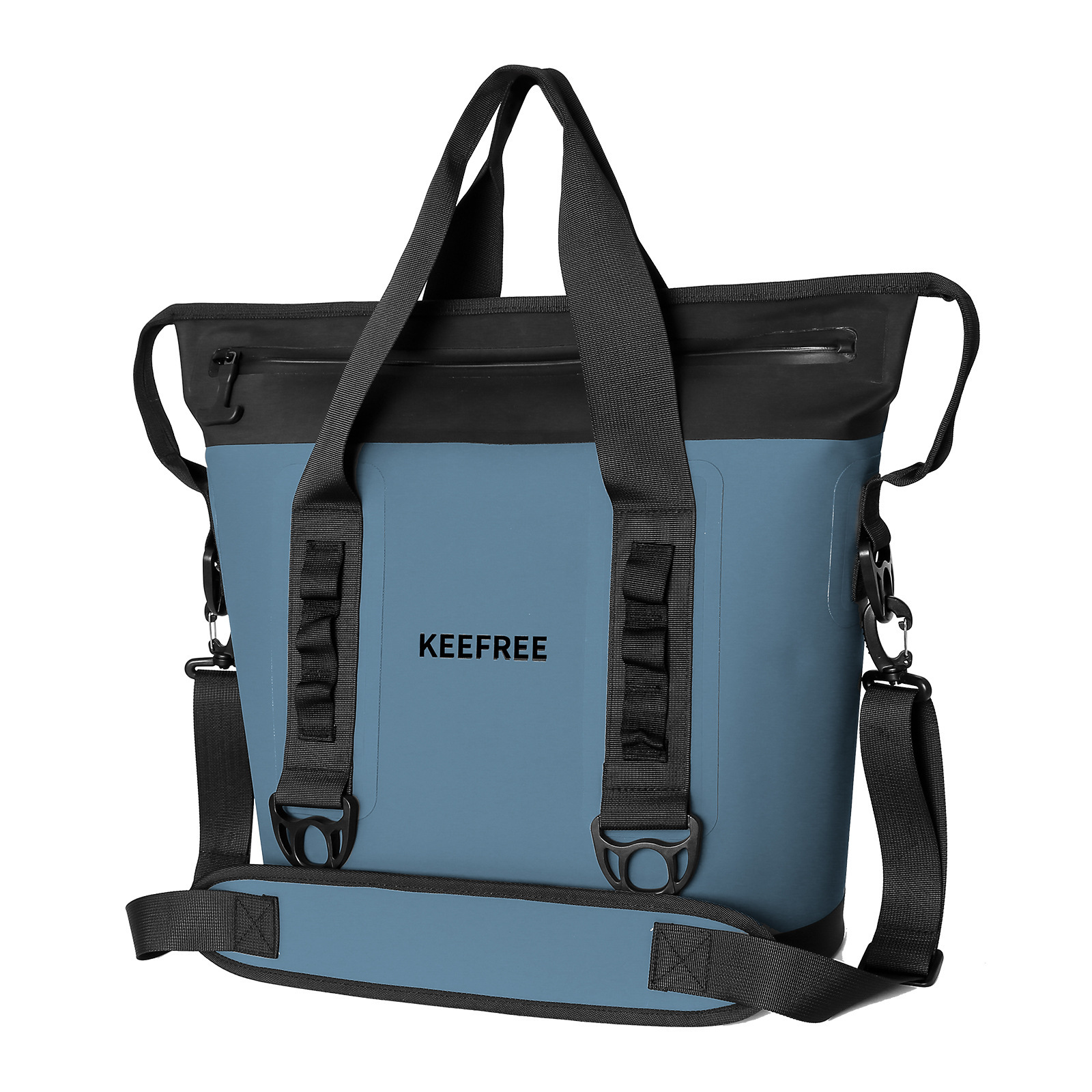
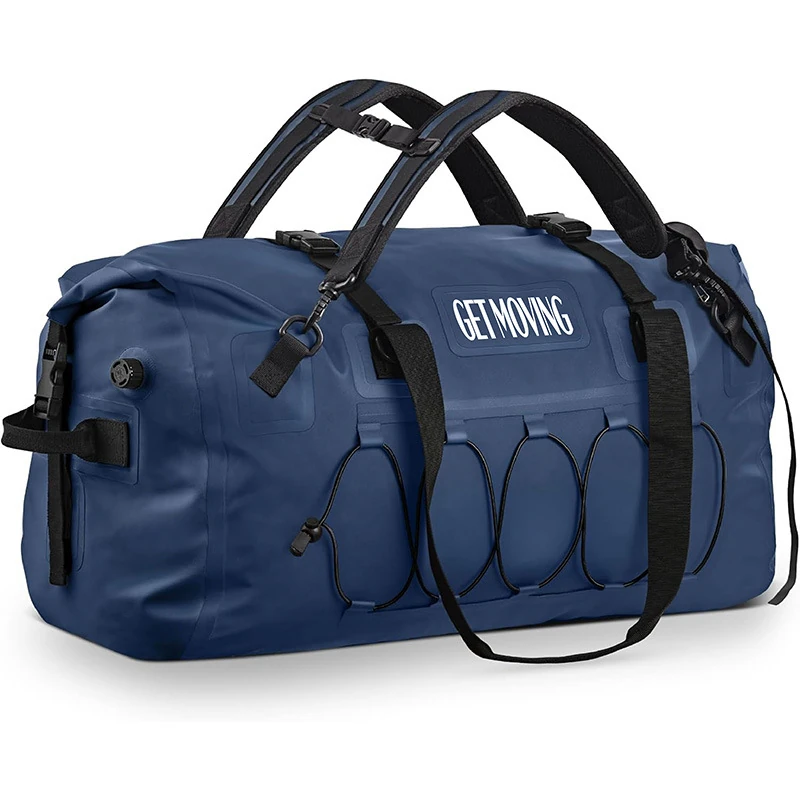
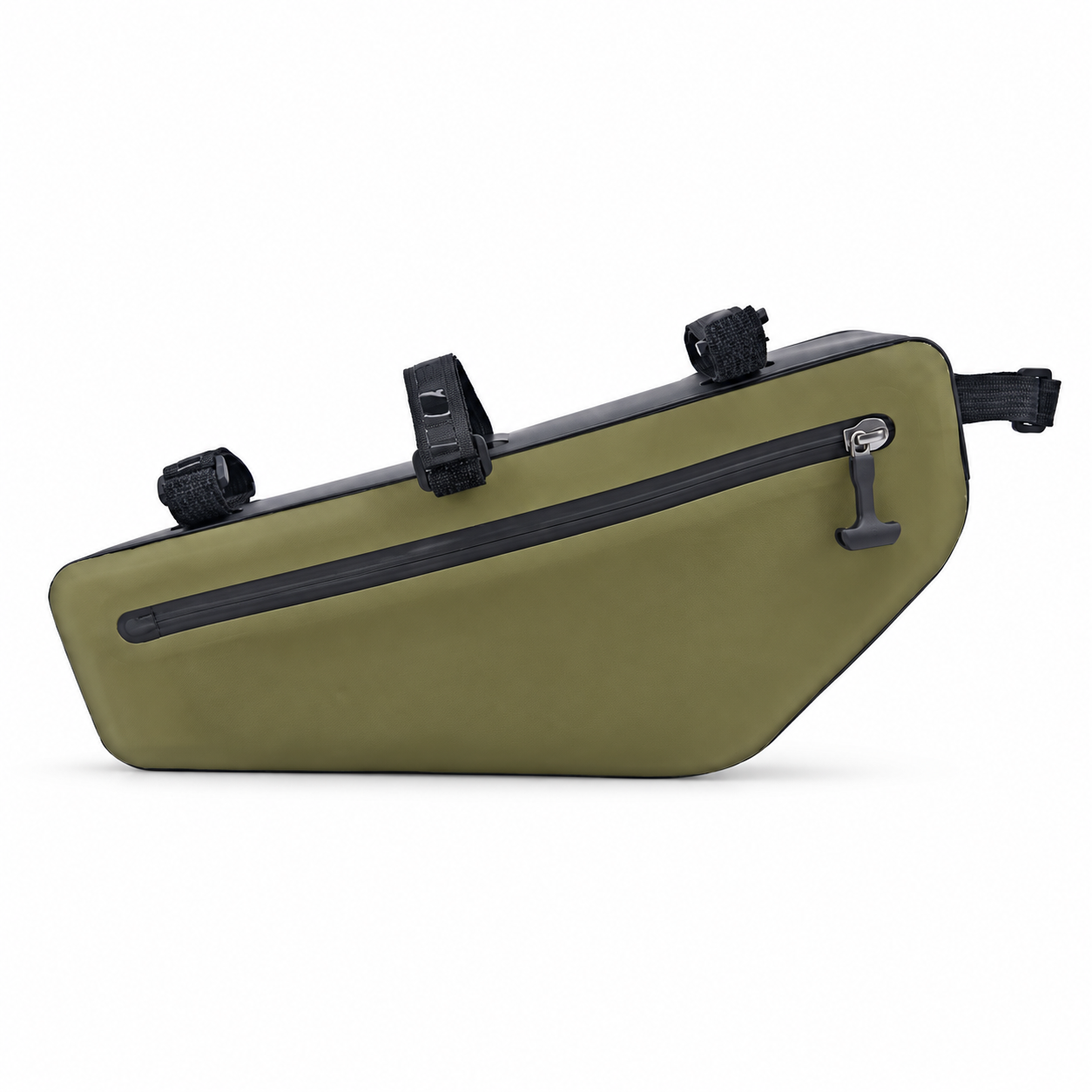
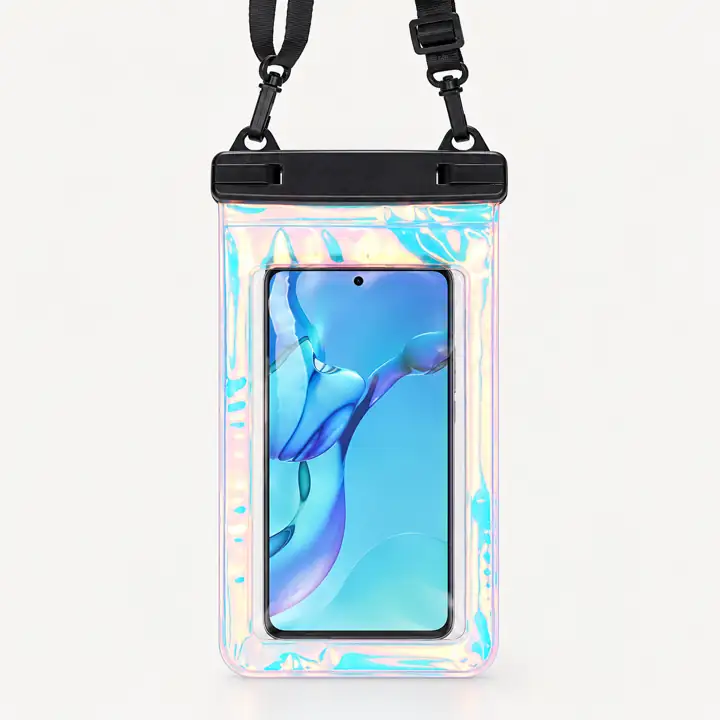
Choose a relevant collection to compare actual product references. Availability, materials and the development scope are confirmed for the selected style.

03 / DEFINE WHAT WILL BE MADE

Build a complete waterproof bag specification

A useful tech pack describes the assembled bag, not just a material name and a capacity. If a detail is undecided, mark it for review so the quotation states its assumptions.

Specification areaDefine in the briefReview on the sample
Dimensions & usable spaceFinished dimensions, measurement points, target contents, opening and any dimensional tolerances.Fit with the intended contents, correctly closed. Litres alone do not describe the opening or usable shape.
Body material & finishMaterial or supplier reference, coating or lamination, backing, thickness or weight, texture and colour.Appearance, handling and compatibility with the proposed seams, closure and decoration.
Seams & panelsPanel layout, joint locations, reinforcement and the functions of load-bearing attachment areas.Identified seam locations and separately agreed visual and functional checks.
Opening & closureRoll-top, clip or zip arrangement; access frequency, opening size and intended water exposure.Correct closure with the actual load. Confirm the selected component and finished compartment together.
Carrying & mountingHandles, webbing widths, adjustment range, anchor positions, expected load and mounting geometry.Carry fit, attachment operation and the agreed load or mounting review.
Pockets, windows & linersContents of each compartment, clear-window location, liner layout and any insulation layers.Access, device or equipment clearance and interactions with seams and closures.
Branding & coloursArtwork file and revision, physical print size, colour reference, label and patch positions.The actual shell colour and finish, print contrast and distance from a fold, seam or window.
Packing & assortmentQuantity by model and colour, accessories, individual pack, instructions, barcode and carton marks.The complete supplied set and packing version rather than the bag alone.

04 / FROM BRIEF TO PRODUCTION

Agree the decisions at each development stage

The sequence below keeps the reference, quotation and approved sample aligned. The exact tasks and responsibilities are confirmed for your project.

  1. 01

    Brief & reference review

    Send the model link, drawing or sample, intended use, target contents and quantities. Separate essential requirements from optional ideas.

    Decision to record: starting route, missing information and the scope to quote.

  2. 02

    Construction & material review

    Work through panel geometry, opening, seams, straps and component interfaces. A changed window or pocket can affect the surrounding construction.

    Decision to record: proposed materials, components, unresolved alternatives and evaluation requirements.

  3. 03

    Quotation & sample scope

    Confirm what the sample includes: shell colour, hardware, artwork, accessories and packaging. Identify any substitute component used only for an early prototype.

    Decision to record: sample fee, timing, included work and the specification revision.

  4. 04

    Physical sample & revision review

    Measure the bag, load it, operate the closure and check artwork and packing. Return numbered photographs with one consolidated list of comments.

    Decision to record: accepted details, requested changes and checks to repeat.

  5. 05

    Production specification approval

    Agree the sample ID and final drawings, materials, colours, artwork and pack contents. Identify anything that differs from the earlier prototype.

    Decision to record: approved revision and the order-specific inspection criteria.

  6. 06

    Bulk order, packing & delivery planning

    Confirm the quantity split, production schedule, inspection arrangement, carton configuration and delivery terms in the quotation or order documents.

    Decision to record: the production version, agreed checks and shipping responsibilities.

05 / MAKE APPROVAL MEASURABLE

Approve the complete sample, then control changes

Keep the sample ID, drawing revision and artwork version together. A prototype may answer a shape question while a later sample resolves the final material, hardware or retail pack. Identify the role of each sample in writing.

  • Fit: measure at agreed points and use the intended packed contents.
  • Operation: open, close, carry or mount the complete configuration.
  • Finish: review shell colour, print size, trim and label placement.
  • Function: use the agreed method, setup and acceptance criterion for the relevant requirement.
  • Packing: check accessories, instructions, barcode and pack version.

For a requested change, record what changes, why, the affected parts and whether a revised sample or evaluation is needed. An earlier approval should not silently cover a different material or closure.

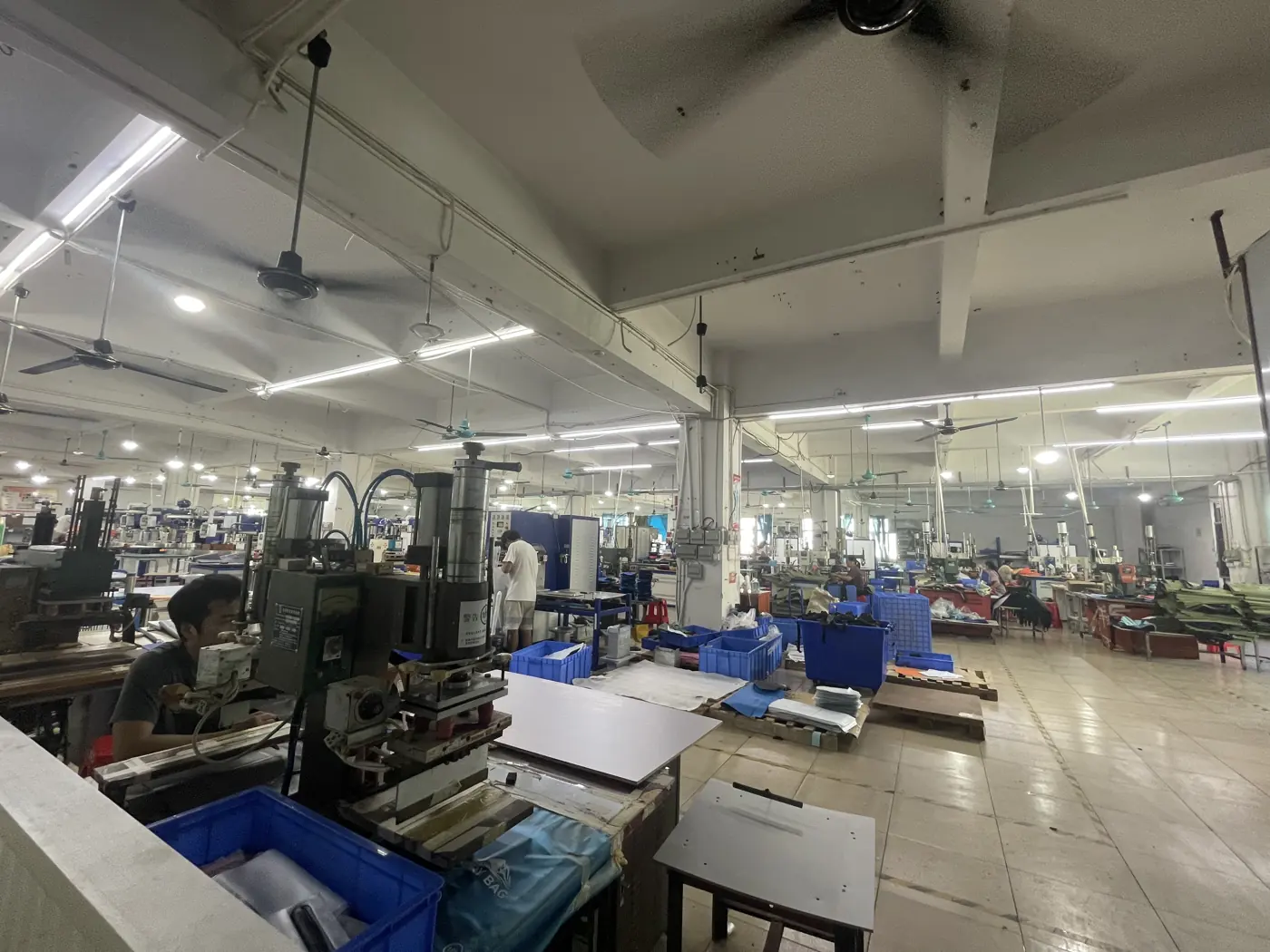
Production equipment, worktables and material containers in the Outdoorsbloom workshop
Workshop equipment and work areas. See our factory photographs and discuss the operation relevant to your selected product.

Reorders: reference the approved specification and sample version again. Identify any proposed material, colour, hardware or artwork change before assuming the new order is identical to the previous one.

06 / QUALITY REQUIREMENTS

Define the check that supports each product claim

Water resistance, an airtight compartment, carrying strength and cooler temperature performance are different requirements. Specify the product, method, conditions and acceptance criterion that your buyer needs reviewed.

Materials & construction

Identify the supplied material and component references. Mark seam and attachment locations so a photograph or observation can be connected to a particular specimen.

Seam review record →

Finished compartment & closure

State the intended exposure, loading and closing sequence. A component description does not establish the performance of every finished bag using it.

Closure and lanyard record →

Carry parts & mounting

Define the intended load, anchor points, strap arrangement and mounting interface. Agree the relevant review rather than relying on a photograph of a loaded bag.

Backpack carry-system checks →

Insulation & temperature

For OEM insulated cooler bags, define payload, cooling medium, start temperature, ambient conditions and opening schedule before comparing readings.

Cooler comparison record →

Required testing and certification documents are reviewed for the exact model and requirement. Workshop photographs are production context, not test reports. Component guidance also has a defined scope: TIZIP’s SuperSeal technical information calls for checking suitability for the intended use; it does not certify an Outdoorsbloom bag or establish which zipper a quoted model uses.

07 / PLAN THE ORDER

MOQ, sampling costs & production timing

Order or development routeStarting termsConfirm in your quotation
Existing model with your logoMOQ from 50 piecesSelected model, available colours, quantity split, artwork and pack contents.
New OEM developmentMOQ from 100 piecesConstruction, material choices, component requirements and sample scope.
OEM sample developmentNormally 10–15 days; typically US$15–500The style and materials determine the sample fee. Confirm included work and any revisions.
Regular bulk productionNormally 10–15 daysThe specific order schedule and delivery conditions. Production timing does not state transit time.

These are starting conditions, not a finished quotation for every colour and configuration. Send the destination and target arrival date so production and delivery can be discussed separately.

What makes two quotations different?

Construction & components

Material build, number of panels, joint layout, closure choice, insulation, lining and hardware affect the proposed scope.

Assortment & decoration

Quantities by size and colour, artwork versions, print locations and individual pack requirements need to be visible in the order breakdown.

Development & delivery

Sample work, revisions, custom parts, requested evaluations, carton configuration and delivery responsibilities should be identified separately.

Ask the quotation to list inclusions and open decisions. Discuss any special tooling, payment terms, sample-fee treatment or exclusivity explicitly; they are not implied by an OEM or ODM label.

08 / PREPARE A USEFUL ENQUIRY

Send a brief we can review with your buying team

A complete brief helps us distinguish a decoration request from a new development project. If you do not yet have a tech pack, send the reference and mark the unanswered points.

  1. Product link, drawing or sample reference, with a revision or date.
  2. Intended user, packed contents, target dimensions and exposure conditions.
  3. Required materials, closure, carrying parts and any acceptable alternatives.
  4. Quantity by style, size, colour and artwork version.
  5. Logo files, physical print dimensions and placement.
  6. Accessories, labels, instructions, retail pack and carton requirements.
  7. Required sample checks or documents, destination and target arrival date.

OEM / ODM project brief

A plain-text worksheet with fields for your product, specification, quantities, branding, sample requirements and delivery brief. Fill it in and send it with your enquiry.

Download blank project brief

No sample approval or test results are pre-filled.

Read the waterproof bag RFQ guide →

BUYER QUESTIONS

Before you start OEM or ODM development

Can I start without a complete technical drawing?

Yes. A reference photo, sketch or physical sample can start the discussion. Add the intended contents, dimensions and changes you need. Hidden details and unresolved requirements still need to be defined before a production specification is approved.

Can I order custom logo bags without changing the construction?

Use the existing-model route and send the product link, quantities, logo size and packaging needs. Starting MOQ is 50 pieces; confirm the selected colour and artwork configuration in the quotation.

How should I request a particular material or component?

Provide the supplier or component reference and the specification you require. Identify whether alternatives are acceptable. The proposed part must be reviewed with the surrounding seams, panels and closure layout.

Does an OEM or ODM order include exclusive design ownership?

Do not assume ownership, confidentiality, exclusivity, tooling rights or permitted use from the route name. Discuss and agree those arrangements for the project before commissioning restricted work.

What if the sample needs a change?

Send a consolidated change list with the sample ID and marked photographs. Identify accepted details separately from requested changes. Confirm the work, timing and any fee for the revised scope, and record which checks need repeating.

Can you provide a waterproof rating or certification?

Tell us the exact product, market and requirement. Available testing and certification documents are confirmed for the specific model and scope. A material name, workshop photograph or zipper description does not establish a rating for the complete bag.

What is included in the sample fee?

Typical OEM sample fees range from US$15–500 depending on style and materials. Ask the quotation to identify the sample construction, decoration, packing, revisions and any separately charged work; a refund or credit is not assumed.

FROM REFERENCE TO APPROVED SPECIFICATION

Build the next product around a clear brief.

Send the model, drawing or sample you want to develop. Our team will review the construction, branding, quantity and sample requirements with you.

michael@outdoorsbloom.com · denggaoz@gmail.com

Turn a model reference into a purchasing brief

Three model-to-brief examples show how to separate listed model information from the requirements you still need to approve. Include the selected construction, quantities, artwork and packing details in your enquiry.