
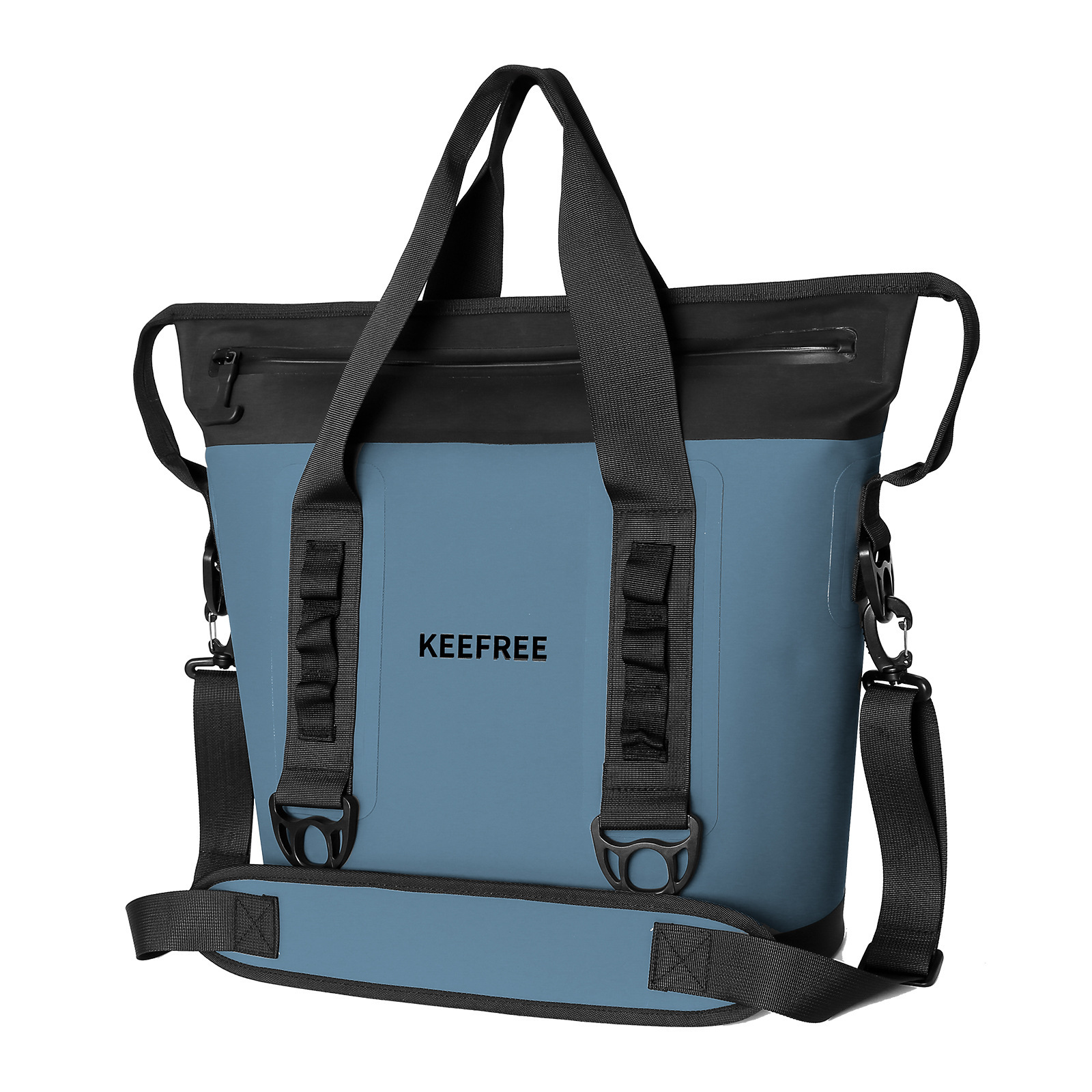
The purchasing decision
Ice-retention comparisons need a shared test scenario. Before requesting a duration claim, define the ambient conditions, initial contents, cooling material, starting temperatures and opening schedule. A result without those details can be difficult to reproduce and may not reflect the way the customer uses the cooler.
Review the insulation layer within the complete bag. Thickness alone does not describe the lid, base, liner joins or the way the closure is constructed. Ask where the stated material is placed and whether the sample includes the exact proposed components. If the build changes, identify which parts of the evaluation need to be repeated.
Agree how results will be recorded and what qualifies as acceptance. Photographs, time records and measurement locations can make the comparison easier to review. Keep any public performance wording within the evaluated conditions. This creates a more useful specification than requesting a large hours number without a defined basis.
What to compare before ordering
| Decision | Review with the supplier | Purpose |
|---|---|---|
| Conditions | Ambient, initial contents and opening schedule. | Make the scenario repeatable. |
| Build | Map insulation through lid, walls and base. | Evaluate the actual sample. |
| Results | Define measurement and acceptance. | Support appropriate performance wording. |
Make a temperature comparison reproducible
Before comparing two cooler samples, agree what outcome matters: temperature at a defined time, time to a stated threshold, or another buyer-defined measure. Use the same contents, starting conditions and environment for each candidate. Record the sample identity and insulation construction so a result is not accidentally assigned to another size or revision.
| Test field | Record before starting | Control during comparison |
|---|---|---|
| Environment | Ambient conditions and test location | Keep comparable exposure conditions. |
| Load | Contents, cooling media and starting temperature | Use the agreed quantities and arrangement. |
| Operation | Closure state and opening schedule | Record deviations and opening times. |
| Measurement | Instrument, sensor location and intervals | Use the same method for each sample. |
| Reporting | Sample version and target outcome | Keep raw observations with the result. |
Describe the conditions alongside any reported duration. Avoid turning a result from one loading pattern into an unconditional claim for every cooler. Discuss whether the buyer needs an internal comparison or an independent test report, and confirm the documentation available for the exact model. This worksheet is a planning tool; it does not present an Outdoorsbloom test result.
Review cooler construction before testing for the next stage of your purchasing brief.
Interpret an interrupted or changed cooler comparison
A custom soft cooler comparison should show what happened during the evaluation, including deviations from the plan. Unexpected opening, a moved sensor or a different starting load can make two readings less comparable. Keep the observation, time and reason in the record rather than deleting an inconvenient reading or reporting only the best result.
| Deviation or change | Record with the readings | Decision before making a claim |
|---|---|---|
| Opening outside the agreed schedule | When the cooler was opened and the handling involved. | Decide whether the comparison remains useful or needs repeating. |
| Different size or insulation revision | The exact sample and build associated with each data series. | Do not assign one sample’s result to an unevaluated variant. |
| Sensor or measurement setup changes | The old and new location, instrument and reason for the change. | State the effect on comparability and agree the reporting scope. |
For wholesale insulated cooler bags, distinguish an internal development comparison from evidence intended for public packaging or a customer specification. Agree the endpoint before interpreting the data, and retain the full sequence with the specimen identity. A result can support a limited conclusion under recorded conditions; it should not become a universal duration for the whole product range. Where additional documentation is required, confirm availability and scope for the exact model with our team.
Treat a tote and a backpack as separate sample builds, even when they are being considered for one collection. Compare 25L TPU cooler tote and 600D TPU cooler backpack. Compare custom cooler bag formats.
Include these details in your enquiry
- Ambient and initial temperature conditions
- Contents, cooling material and loading arrangement
- Opening schedule and measurement points
- Acceptance criteria and reporting format
Identify the model and the version of any drawing or artwork. Ask for assumptions, proposed changes, packing details and commercial terms to be shown in the quotation. MOQ, sample cost and production timing are confirmed for the agreed configuration.
Buyer questions
Does thicker foam always establish longer cooling time?
Evaluate the complete cooler under agreed conditions. Layer placement, lid and closure details also belong in the comparison.
Can a test result be reused after a material change?
Review the significance of the change and agree which checks must be repeated before applying the previous result.
Cooler temperature comparison record
This blank record supports a buyer-agreed comparison; it does not provide a temperature rating or an ice-retention claim. Choose the method and endpoint before comparing samples.
Download blank review record (CSV)
Blank buyer worksheet — no test results, certification or product approval are supplied in this file. Add your project-specific method and acceptance criteria with the supplier before reviewing the sample.
When the sample needs another review
| Observation | Why it matters | Next action |
|---|---|---|
| Different starting conditions | Changing the payload, cooling medium or start temperature makes results hard to compare. | Record and match the starting conditions before interpreting differences. |
| Only one favourable reading is reported | One time point does not describe the complete comparison. | Keep the full reading sequence, opening log and endpoint decision with the specimen record. |
| Temperature and leakage are mixed into one claim | The shell, closure and thermal system answer different purchasing questions. | Keep temperature, leakage and carry-load reviews as separate records. |
Return to Custom cooler bag construction and wholesale sourcing to select a product reference. Attach the completed record, sample photographs and revision number when requesting a sample review or quotation.
NEXT STEP
Turn the brief into a sample review.
Choose a product reference, mark the changes you need and send your expected quantities and destination market. Our Dongguan team can review the manufacturing options with you.
Discuss this project