
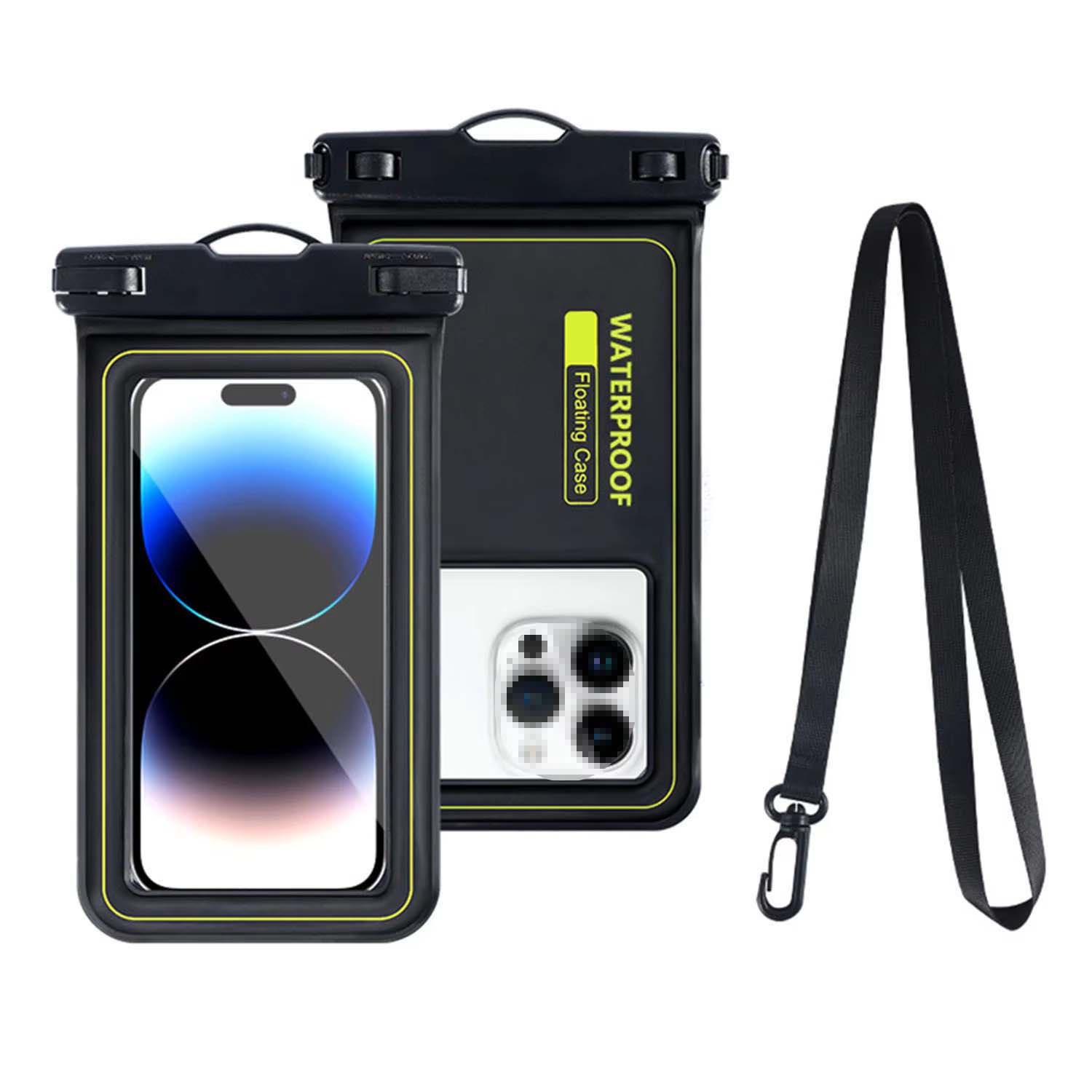
The purchasing decision
A phone pouch combines a protected compartment with a carry system. Those parts need separate checks. Map the closure components, body joins and lanyard attachment points before writing an inspection sheet. This prevents an attractive shell from distracting the reviewer from a difficult latch or a poorly positioned attachment.
Evaluate closure operation using the approved instructions and the intended device envelope. Check for trapped material, uneven engagement and interference from thick phone cases. For the lanyard, review attachment alignment, hardware and adjustment. Specify the intended carry conditions and any required evaluation rather than treating the strap as a decorative accessory.
Agree how inspection findings are classified and recorded. A functional closure issue, a cosmetic print issue and a packing discrepancy may require different responses. Keep photographs of the approved sample and record the batch or sample identification for any failed unit. The result should be a usable inspection routine rather than a general request for premium quality.
What to compare before ordering
| Decision | Review with the supplier | Purpose |
|---|---|---|
| Closure | Review engagement and case interference. | Follow one agreed operating sequence. |
| Carry system | Check attachments, hardware and adjustment. | Define the intended carry conditions. |
| Defect handling | Separate function, appearance and packing. | Record criteria and corrective actions. |
Review the closure and lanyard as different functions
Prepare a device-size reference and identify how the pouch will be used before reviewing a sample. Include the phone case if customers are expected to keep it fitted. Check closure operation with the device inside and review the lanyard attachment independently: carrying convenience does not demonstrate the protection of the storage compartment.
| Review area | Sample check | Record separately |
|---|---|---|
| Device fit | Insert the reference phone and case | Device dimensions and closure clearance. |
| Closure | Follow the intended closing sequence | Operation, alignment and any agreed exposure test. |
| Window | Review visibility and required interaction | Conditions and device used for evaluation. |
| Lanyard | Inspect attachment and intended adjustment | Load requirements and separate acceptance criteria. |
Ask which parts of the construction have changed if a supplier offers an alternative clasp, window material or lanyard. Review the complete revised sample before carrying forward an earlier approval. Do not infer a depth rating, touchscreen response or attachment strength from the pouch’s appearance. Put required tests and applicable documentation in the enquiry for the selected model.
Plan a custom waterproof accessory enquiry for the next stage of your purchasing brief.
Keep the closure decision separate from the carry-accessory decision
Bulk waterproof phone pouches need separate approval of the closing operation and the supplied lanyard arrangement. A convenient neck strap does not establish water protection, and an acceptable closure does not approve every hook, cord or attachment variation. Identify the exact pouch, accessory and target device together before reviewing the complete retail set.
| Purchasing question | Review on the selected sample | Decision to document |
|---|---|---|
| Can the intended user close it correctly? | Access to the closing parts with the target device and case inserted. | Approve the closing instructions and identify any fit restriction. |
| Does the accessory match the order? | Hook count, attachment points, cord arrangement and adjustment. | Keep the accessory reference with the pouch SKU and packing list. |
| What happens after a component changes? | The revised hook, closure part or attachment construction. | Identify which fit, operation and agreed functional checks need repeating. |
Photograph the correctly closed sample and the supplied attachment arrangement so comments refer to the same configuration. If several colours use different hardware, list those differences rather than approving the assortment as one unnamed sample. Water-exposure and carry-related acceptance criteria must be agreed for the actual model; photographs alone do not establish an immersion depth, duration or safe carried load. Do not copy those claims from another pouch’s packaging.
Use each product’s actual opening and attachment layout when preparing the approval record. Compare Clear Single-Hook Waterproof Phone Pouch and Double-Compartment Phone Pouch. Compare wholesale phone pouch constructions.
Include these details in your enquiry
- Closure instructions and target device envelope
- Lanyard construction and hardware specification
- Visual and functional acceptance criteria
- Batch sampling and defect-record format
Identify the model and the version of any drawing or artwork. Ask for assumptions, proposed changes, packing details and commercial terms to be shown in the quotation. MOQ, sample cost and production timing are confirmed for the agreed configuration.
Buyer questions
Is a lanyard inspection the same as a closure test?
No. The lanyard carries the product; the closure controls access to the compartment. Evaluate the two functions independently.
How should a closure issue be documented?
Record the sample or batch, device fit, operating sequence and observed defect, with photographs where useful.
Phone pouch fit, closure and lanyard review
Review the actual device and case. Keep closure operation, compartment exposure and lanyard attachment in separate rows so that one successful check does not imply approval of all functions.
Download blank review record (CSV)
Blank buyer worksheet — no test results, certification or product approval are supplied in this file. Add your project-specific method and acceptance criteria with the supplier before reviewing the sample.
When the sample needs another review
| Observation | Why it matters | Next action |
|---|---|---|
| Device fits but crowds the opening | Insertion alone does not establish clearance for correct closing. | Repeat the closure sequence with the intended phone and case and record clearance. |
| A carry accessory changes | A different hook, strap or anchor changes the supplied configuration. | Identify the accessory revision and repeat the agreed attachment review. |
| Touchscreen use is assumed from a photograph | A picture does not document the actual device or operating conditions. | Define the device, conditions and expected interaction; record the observed result separately. |
Return to Custom and wholesale waterproof phone pouch range to select a product reference. Attach the completed record, sample photographs and revision number when requesting a sample review or quotation.
NEXT STEP
Turn the brief into a sample review.
Choose a product reference, mark the changes you need and send your expected quantities and destination market. Our Dongguan team can review the manufacturing options with you.
Discuss this project